Sleep & Bedding Guide
What to Look for in an Organic Crib Sleep Surface
Choosing a crib mattress is a decision made from a position of care—and, often, information overload. Organic materials may matter to a family, but the label alone cannot answer the most important questions. Fit, firmness, construction, certification, and care all deserve close attention.
Published October 22, 2026
A crib mattress is a simple object with a demanding job. It must fit the crib securely, provide a firm and flat sleep surface, and hold up to the realities of infant care: frequent sheet changes, spills, and years of use. For families drawn to organic materials, another task enters the equation—sorting meaningful, verifiable claims from broad language that sounds reassuring but may tell only part of the story.
That distinction matters. “Organic” may describe a particular fiber, an ingredient, or a certified finished material; it does not automatically mean that every layer of a mattress is organic, that the product has been tested for every possible concern, or that it is the safest choice for every household. A careful evaluation begins with the crib and the child’s sleep environment, then moves outward to the mattress’s materials, documentation, and maintenance requirements.
The essential check: Follow current safe-sleep guidance from trusted health authorities, use a firm, flat mattress designed for the specific crib, and confirm that the mattress fits according to the crib and mattress manufacturers’ instructions. Material preferences come after these fundamentals.
Begin with fit, not a label
A mattress can be made from carefully sourced materials and still be the wrong choice if it does not fit the crib properly. The mattress and crib are a system: the dimensions, support base, and permitted mattress thickness are meant to work together. Before comparing fabrics or certifications, identify the crib model and consult its manual for the approved mattress size and any restrictions on thickness or construction.
Do not rely on a size name alone. “Standard crib mattress” is useful shorthand, but families should verify the measurements specified by the crib manufacturer and check the mattress maker’s sizing guidance. Cribs, including portable and mini models, can have different requirements. A mattress that appears close in size may still leave an unsafe gap, while a mattress that is too large may not lie flat or fit as intended.
Once the mattress is installed, check the fit in the manner described by the crib manufacturer. The mattress should sit level and securely within the crib frame, without being forced into place. If a visible gap, bulge, or unstable edge appears, stop using the setup until you have confirmed that the mattress and crib are compatible. A sheet should fit snugly and be made for that mattress size; adding extra layers to compensate for a poor fit is not a solution.
Fit is not a one-time concern. Recheck the mattress after moving the crib, changing its base height, or replacing a mattress. As a child grows, caregivers may adjust the crib’s support position, but the mattress itself should remain compatible with the crib and installed according to the instructions. Keep the crib’s manual and mattress details available so that measurements and permitted configurations can be checked rather than guessed.
Firmness and construction are central
For an infant, the sleep surface should be firm and flat, in line with current safe-sleep recommendations. “Comfort” in adult bedding often means plushness or cushioning; that instinct should not drive a crib-mattress decision. An infant mattress is not intended to contour deeply around the body, and soft toppers, pillows, quilts, positioners, and other loose or padded additions should not be used to alter the sleep surface.
Firmness is not always easy to assess from a product description. Marketing terms such as “supportive,” “natural comfort,” or “premium feel” may describe a brand’s positioning rather than provide a clear measure. Read the manufacturer’s information for the mattress’s intended age and use, its tested or stated firmness characteristics, and its construction. If a product page is vague about whether the mattress is designed for an infant, seek clarification from the manufacturer before purchasing.
Construction varies. Some crib mattresses use foam cores; others use innerspring systems, plant-derived or natural materials, or combinations of layers. The core influences the mattress’s structure and weight, while the cover and any protective barrier influence surface feel, cleanability, and moisture resistance. No material category should be treated as an automatic guarantee of safety or suitability. The finished product, its intended use, and its fit all matter.
Pay attention to how layers are joined and enclosed. Ask whether the core is fully contained, whether the cover is removable, and whether the manufacturer permits it to be removed or washed. A zippered cover may be convenient, but convenience should not be confused with permission to disassemble the mattress. Follow the care instructions exactly; a layer that is not meant to be washed may lose its shape, protective properties, or fit if handled incorrectly.
Weight can also become a practical issue. A heavier mattress may be harder to lift during sheet changes, particularly for caregivers recovering from birth or managing frequent nighttime care. Consider whether the product can be handled safely by the adults who will use it. Practicality does not supersede fit or safe-sleep principles, but a mattress that can be changed and maintained without strain may make daily care more manageable.
Look beneath the word “organic”
Organic claims are most useful when they identify exactly what is certified and by whom. A mattress may contain organic cotton in its cover while also containing other materials in its core or protective layers. Another product may use a certified organic component but not be certified as an entire finished mattress. Those distinctions are not necessarily a problem; they simply need to be stated clearly so families can make an informed comparison.
Read the product description and certification documents with a layer-by-layer mindset. Ask what the cover is made from, what forms the core, what is used as a moisture barrier, and whether adhesives, coatings, or additional treatments are part of the construction. If the product uses wool or another material as a barrier, find out what the manufacturer says about its role and how the finished mattress is assessed. Avoid assuming that one attractive material claim describes every part of the product.
Certifications can help verify specific claims, but they are not interchangeable. A certification may apply to a fiber’s agricultural origin, a material’s processing, emissions testing, or restricted substances. The name of a standard should be accompanied by an explanation of what it covers. Check whether the certificate applies to the material, a component, or the complete mattress, and whether it is current and issued by a recognized certifying organization.
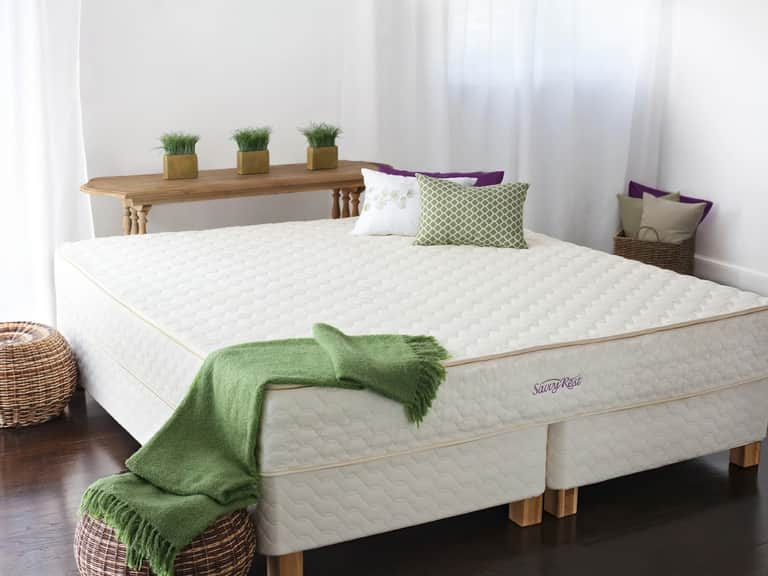
For example, the Savvy Rest Serenity Latex Mattress is an adult mattress, not a crib sleep surface. Its stated construction includes organic cotton, wool, and latex, with product-specific certifications described by the maker. It illustrates why reading the scope and intended use of a product is important: a mattress’s organic materials or certification do not make it suitable for a crib. Families should select a product explicitly designed and approved for the crib in question.
Look for documentation rather than relying on phrases such as “natural,” “eco,” “clean,” or “chemical-free.” These terms can be used in different ways and may not identify a particular certification or test. A transparent manufacturer should be able to explain the materials, the meaning of its claims, and the limits of any certification. If answers are difficult to find, treat the uncertainty as part of the decision.
Understand covers, barriers, and moisture
The cover is the part of the mattress most directly exposed to sheets, spills, and routine handling. Common cover materials include cotton and synthetic fabrics, sometimes combined with a water-resistant layer. For families prioritizing organic bedding, the cover’s fiber content may be an important consideration—but it is only one part of the mattress.
A moisture barrier can protect the core from liquids, an important practical feature during infant care. Yet the words “waterproof” and “breathable” can be used broadly. Ask what layer provides the barrier, how it affects cleaning, and whether the manufacturer gives specific instructions for spills. A removable, washable cover may sound convenient, but check whether washing the cover is permitted and what temperature, detergent, and drying method are recommended.
Never assume that a waterproof cover eliminates the need to use a fitted sheet, or that adding a separate protector is appropriate for every mattress. Follow the crib and mattress makers’ guidance on compatible bedding and accessories. The sleep surface should remain firm and flat, with only the fitted sheet and other items expressly permitted by current safe-sleep guidance. Additional padding or a thick protector can change the feel or fit of the surface.
Odor is another subject that can cause concern. New products may have a smell associated with packaging or materials, but odor alone cannot identify a substance or establish whether a product is safe. Follow the manufacturer’s instructions for unpacking and airing out the mattress, and contact the maker if the smell is strong, persistent, or inconsistent with its guidance. Do not use household sprays or treatments to mask an odor; they may introduce additional materials and complicate care.
Plan for cleaning before there is a mess
Care instructions are not an afterthought. They shape how the mattress will perform through ordinary spills, diaper leaks, and the accumulated demands of nursery life. Before buying, find the written care guidance and determine whether the cover can be spot-cleaned, removed, or machine-washed. Check whether the core must be kept dry and how the product should be dried after cleaning.
Some mattresses should be cleaned only with a damp cloth or mild soap; others have covers that can be laundered. A product may be damaged by soaking, harsh cleaners, bleach, high heat, or prolonged direct sunlight. Do not assume that “natural” materials need less care or that an organic label means a mattress can be washed more aggressively. The manufacturer’s instructions take precedence over general household cleaning advice.
Ask how quickly the mattress can be returned to use after a spill. If a core needs to dry fully, plan for a backup sleep arrangement that follows safe-sleep recommendations. Never place a damp mattress back into a crib, and do not improvise with towels, blankets, or extra padding as a substitute for the intended sleep surface.
Routine checks can help identify changes early. Look for tears in the cover, exposed filling, broken seams, a damaged waterproof layer, persistent dampness, or signs that the mattress no longer lies flat. A damaged mattress may not be cleanable or usable as intended. Consult the manufacturer if you are unsure whether it can be repaired or should be replaced.
Think about durability and hand-me-downs
Families may hope to use a crib mattress for more than one child, or to pass it to another household. Longevity depends on more than the warranty: it also depends on the product’s condition, how it has been stored, and whether it still fits the crib where it will be used. A warranty describes the manufacturer’s terms for particular defects; it is not a promise that the mattress will remain appropriate indefinitely or a substitute for inspection.
For a used mattress, establish its history as far as possible. Check for a flat, firm surface; intact cover and seams; no exposed core; and no signs of mold, persistent moisture, or structural damage. Confirm that it fits the intended crib and that its label or documentation identifies the model and use. If the mattress has been stored in a damp place, altered, or damaged, do not rely on a surface cleaning to restore it.
Consider storage instructions if the mattress will not be used immediately. Keep it clean and dry, protect it from dust and moisture using a method allowed by the manufacturer, and avoid folding or bending it unless the product is designed for that. Heavy objects placed on top may alter its shape. When it is brought back into use, inspect it again and verify compatibility with the crib.
Sustainability is a legitimate consideration, but it should be weighed alongside performance, care, and suitability. A product made with organic fibers may appeal to families seeking particular agricultural or material standards; durability and repairability can also affect the product’s overall life. Claims about environmental impact vary in scope, so look for specific, documented information rather than assuming that “organic” describes the whole lifecycle.
Use a practical comparison checklist
When comparing organic crib mattresses, keep the questions consistent. A simple checklist can prevent a striking label or appealing feature from overshadowing the essentials:
- Compatibility: Does the mattress match the crib manufacturer’s size and thickness requirements?
- Intended use: Is it explicitly designed for an infant crib and the relevant stage of use?
- Surface: Is it firm and flat, with construction details that are clearly explained?
- Materials: What are the cover, core, and protective layers made of?
- Certification: Which materials or finished-product claims are certified, and what does each certification cover?
- Care: How should the cover and core be cleaned, dried, and stored?
- Durability: What does the warranty cover, and what condition checks does the maker recommend?
- Documentation: Are instructions, material disclosures, and safety information easy to obtain?
- Practical use: Can the caregivers lift, clean, and maintain the mattress as directed?
It can help to write down the answers before making a purchase. If one manufacturer gives detailed information and another relies mainly on vague assurances, that difference is meaningful. Clear documentation does not prove that a product is right for every family, but it gives caregivers a sounder basis for comparison.
Keep the whole sleep space in view
A mattress is only one part of an infant’s sleep environment. Follow the latest recommendations from trusted health authorities, including guidance on placing a baby on the back for sleep and keeping the sleep space clear of loose bedding and soft objects. Recommendations can change as evidence and public-health guidance develop, so families should consult current advice from their pediatric clinician and relevant health agencies rather than relying on old checklists or product marketing.
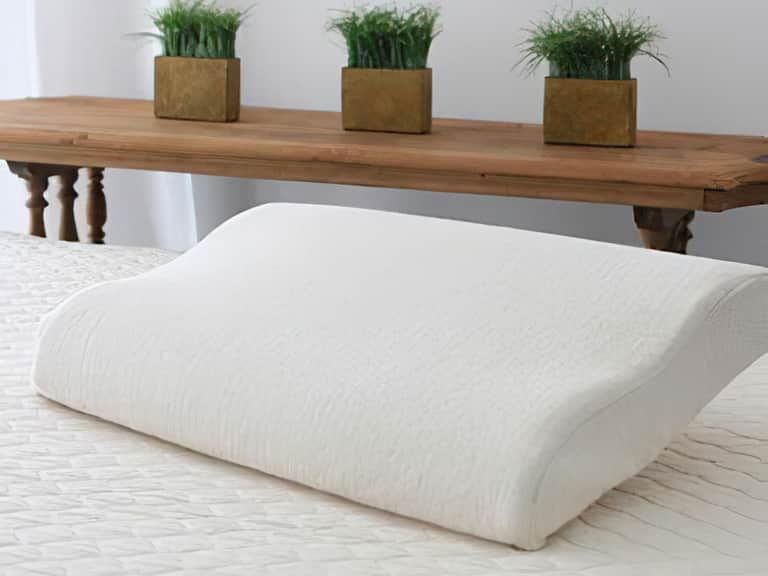
Do not use pillows, positioners, wedges, comforters, mattress toppers, or improvised padding in the crib unless a qualified health professional has given specific advice for an individual medical circumstance. A product marketed for comfort or alignment is not automatically appropriate for an infant. Likewise, adult bedding and mattresses—even those made with certified organic materials—are not substitutes for a crib mattress intended for infant use.
For questions about a baby’s health, breathing, reflux, allergies, or sleep, speak with a pediatric clinician. Product descriptions can explain materials and care; they cannot diagnose a child’s needs or replace medical guidance. If a manufacturer makes a health claim, look for evidence and ask a clinician how it applies to your family.
The bottom line
An organic crib mattress should be judged by what it is, how it is made, and how it works in the crib—not by a single word on a label. Start with an exact fit and an infant-appropriate, firm, flat surface. Then examine the cover, core, protective layers, certification scope, and care instructions. Confirm that product claims are specific and that the mattress can be maintained as directed.
Organic materials may be a meaningful preference, but they do not replace compatibility checks or safe-sleep practices. A strong choice is one whose construction is understandable, whose fit can be verified, and whose instructions make sense for everyday family life. In the nursery, confidence comes less from the size of a claim than from the clarity behind it.