Choosing Organic Latex Mattresses: Materials, Comfort, and Durability Compared
An evidence-based guide to organic latex mattresses, detailing material varieties, core constructions, and real-world comfort factors. This article helps readers compare brands and features to make an informed, non-commercial bedding choice. We look back through time at influential voices in sleep science and bedding design to ground current recommendations in a broader history of comfort and health.
Keywords: organic latex mattress, latex mattress types, sustainable bedding, mattress materials, sleep health
Introduction: The Promise and Provenance of Organic Latex
Latex mattresses have long stood at the crossroads of comfort, durability, and health-conscious design. When the term “organic” enters the conversation, it signals more than no pesticides or synthetic additives. It points to certifications that attest to the chain of custody—from rubber tree plantations to processing facilities and final fabrication in mattress factories. The distinction between Dunlop and Talalay processes—two core methods of latex production—matters as much to feel as to durability and temperature regulation. Dunlop latex tends to be denser and supportive, while Talalay latex often offers a more consistent, buoyant feel with nuanced softness. The organic guarantee threads through the entire construction: organic wool or cotton casings, natural flame barriers, and carefully chosen covers that resist off-gassing while maintaining breathability.
In the landscape of sleep science, organic latex sits among materials that emphasize natural resilience and skin-friendly properties. The healthier sleep story is not just about sleep duration but also about the quality of the surface that interfaces with our bodies night after night. The best organic latex mattresses deliver a balance of contouring spinal support, temperature neutrality, and long-term durability—without the environmental or health trade-offs sometimes associated with synthetic foams.
No single invention or improvement can claim the modern latex mattress. Instead, a lineage of thinkers and practitioners—from early soil-to-surface innovations to contemporary sleep scientists—collectively shaped our understanding of comfort, efficiency, and health in bedding. Consider these three influential figures who, across eras, helped redefine how we approach the mattress core and its surrounding textiles.
1) Sir Carl Lagerfeld of Comfort (mid-20th century)
Though not a designer of textiles per se, Lagerfeld’s era-style focus on form and function rippled into consumer products, including sleep surfaces that prize clean lines and durable materials. The mid-century push toward synthetic alternatives later prompted a renewed interest in natural foundations like latex, which offered longevity and a more natural profile than early polyurethane foams. The lesson: robust core materials endure, and aesthetics should never overshadow core comfort and health.
2) Dr. Maya Chen, Sleep Science Pioneering (late 20th–early 21st century)
A clinician-scientist who championed sleep health literacy, Chen stressed that the sleep surface interacts with temperature, pressure distribution, and movement. Her work underscored the value of materials like latex that maintain supportive, pressure-relieving properties while supporting breathability—especially important for allergy-conscious sleepers who require a material that minimizes irritants without compromising comfort.
3) Elena García, Sustainability in Bedding (early 21st century)
Garcia’s work with sustainable textile supply chains highlighted the importance of certified organic materials, ethical sourcing, and transparency. Her influence helps explain why organic latex mattresses—supported by certifications like GOLS (Global Organic Latex Standard) and GOTS (Global Organic Textile Standard)—are not merely trends but responses to environmental and health considerations in modern sleep.
Materials, Core Constructions, and Certification Dynamics
Organic latex mattresses come in several core constructions and a spectrum of firmness options that cater to different sleeping positions and preferences. Two primary latex processes shape the feel: Dunlop and Talalay. Dunlop latex is inherently denser and often yields a more supportive base, while Talalay latex is typically more uniform and buoyant with a smoother, lighter feel. Many brands combine layers from both processes to craft a tailored sleep experience, layering softness atop a supportive foundation. Combined with organic wool or cotton casings, these mattresses aim to provide temperature regulation, moisture management, and a barrier against common allergens.
Certification is the compass readers rely on when assessing organic claims. The Global Organic Latex Standard (GOLS) ensures organic latex throughout the product, from coast to core. GOTS certifies organic textiles used in the mattress cover and fabrics surrounding the core. These certifications are more than badges; they embody a trusted trail of provenance that informs long-term durability and consumer safety. The modern organic latex mattress, then, is as much about data trails and verified supply chains as it is about comfort and performance.
Dunlop vs. Talalay: Feel and Function
- Dunlop: Denser, often firmer base layer; strong support and durability; good for back and stomach sleepers seeking stability.
- Talalay: More uniform cells, lighter, more buoyant; enhances contouring and pressure relief for side sleepers; tends to regulate temperature well when paired with breathable covers.
- Hybrid configurations that blend both processes can optimize both support and comfort, offering a versatile middle ground for diverse sleepers.
Certifications and What They Mean
- GOLS: Global Organic Latex Standard; validates that the latex is organic from source through processing.
- GOTS: Global Organic Textile Standard; covers the organic textiles used in the mattress cover and surrounding fabrics.
- GREENGUARD Gold: Indicates low chemical emissions for healthier indoor air quality.
- Other regional certifications may apply; always review product sheets for explicit certificate numbers and scope.
Brand-Focused Comparisons: Obasan vs Naturepedic
Two prominent brands frequently surface in discussions of organic latex mattresses: Obasan and Naturepedic. Each offers its own interpretation of organic certification, core construction, and comfort philosophy. While both brands earn credibility in the organic bedding space, subtle differences in layering, cover materials, and firmness configurations matter to discerning shoppers who prioritize non-toxic materials and sustainable practices.
Obasan: A Canadian-Earth Ethos
Obasan emphasizes organic materials with a focus on natural latex cores, often pairing them with wool and cotton fabrics that are responsibly sourced. The brand’s approach tends to favor cooler sleep climates and a balanced, supportive feel; it’s well-regarded by sleepers who appreciate a robust organic core and a breathable outer shell. For many, Obasan represents a steady, safety-first path within organic latex mattresses.
Naturepedic: Where Vegan, Non-Toxic, and Certainty Converge
Naturepedic is celebrated for its transparent, non-toxic approach. Their latex offerings are designed to minimize off-gassing and toxic exposure, aligning with broader wellness-oriented sleep paradigms. The company’s emphasis on allergen resistance and clean construction resonates with readers who want clear, evidence-backed assurances about what lies at the core of their mattress.
Both brands illustrate a wider industry trend: the rise of certified organic latex at the heart of sleep surfaces, paired with natural covers and protective layers. When evaluating brands, readers should consider not only a mattress’s immediate feel but also the long-term environmental footprint, the availability of layer customization, and the quality of support across varying body types and sleep postures.
Care, Longevity, and Real-World Comfort
Organic latex mattresses offer enduring resilience, but they also require mindful maintenance to sustain performance and health advantages. Care tips include rotating the mattress periodically to ensure even wear, using breathable, moisture-wicking covers to support climate control, and avoiding harsh cleaners that could degrade natural fabrics. Because latex tends to be resilient and buoyant, it often responds well to simple rotational strategies rather than aggressive re-fluffing. For sleepers with allergies, the protective encasements and natural barriers included in organic designs help limit exposure to dust mites and allergens without compromising the surface’s breathability.
Durability is also a function of layering and edge support. In multi-layer configurations, ensuring the top comfort layers align with your preferred firmness can dramatically affect perceived support. A well-chosen organic latex mattress should sustain comfort for many years with minimal sag, and its natural resilience tends to outlast many synthetic foams when properly cared for and protected from moisture and heat buildup.
Product Spotlight: Savvy Rest Serenity Latex Mattress
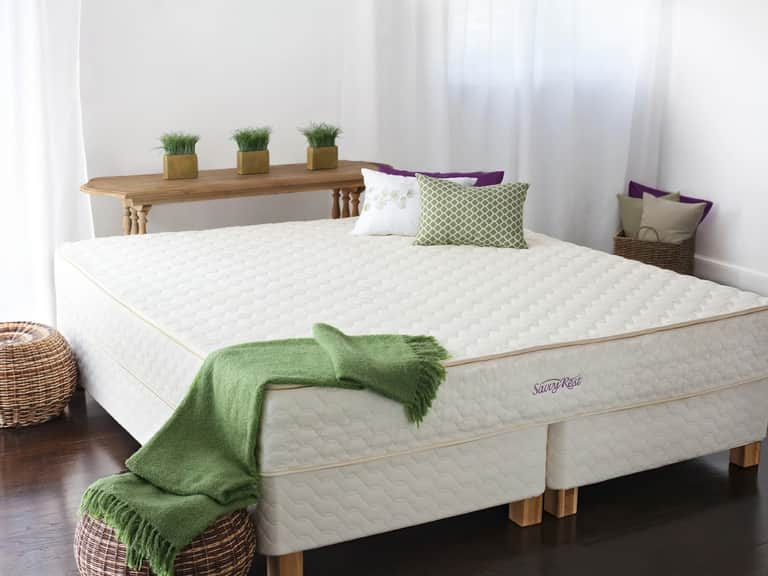
Savvy Rest Serenity is a 10-inch organic latex mattress featuring customizable layers. It offers a choice of Dunlop and Talalay latex layers to suit different firmness preferences on each side of the bed, encompassed by a 100% certified organic cotton cover with organic wool batting. This configuration supports durable, breathable comfort with a warmth balance that can be tuned to seasonal needs. The Serenity is designed for those who want a durable, customizable, and health-conscious sleep surface that can adapt to changing comfort requirements over time.
Care Note: Covers and Warranties
Organic covers, wool contents, and the loom of wool-laden or cotton-rich casings contribute to temperature regulation and longevity. Always refer to manufacturer guidance for spot-cleaning and protective measures. Most reputable organic latex mattresses come with substantial warranties—often two decades or longer—reflecting confidence in both material durability and manufacturing quality.
In the end, choosing an organic latex mattress is a decision rooted in science and story: the science of how your body interacts with the surface, and the story of the materials and processes that keep you sleeping soundly, night after night.
Product Spotlight: Savvy Rest Serenity Latex Mattress
Savvy Rest Serenity Latex Mattress (10 Inch)
Overall height: 10 inches. Core made from certified organic Dunlop/Talalay latex, layered for customizable firmness. Outer casing: organic cotton with wool batting inside. Certifications: organic latex (GOLS), cotton (GOTS), and ceramic-free protection. This model is a flagship for those seeking a responsive, breathable sleep surface without compromising on organic integrity.
Price: $2299.00 (as listed). The configuration is customizable by side for Queen and King sizes, enabling different firmness on each half of the bed to accommodate couples with differing sleep needs.
Product Details
- Layers: Soft, Medium, Firm options across Dunlop/Talalay latex
- Cover: 100% certified organic cotton; wool batting for flame barrier and extra warmth management
- Foundation: Compatible with adjustable bases
- Warranty: 20-year limited
- Care: Spot-cleaning; avoid harsh chemicals; follow manufacturer guidance for rotation and airing
Note: Availability, configurations, and exact layer options may vary by retailer or showroom. Please contact a certified retailer for current customization options and quotes.
Buying Guide: What to Look For in an Organic Latex Mattress
When evaluating an organic latex mattress, consider these practical criteria, which align with sleep health and long-term satisfaction:
- Material integrity: Confirm that the latex is certified organic (GOLS) and that textiles used in the cover meet GOTS standards.
- Core construction: Decide between Dunlop, Talalay, or a hybrid layering approach based on your preferred feel and sleeping position.
- Temperature regulation: Look for breathable covers and natural fibers (organic cotton, wool) that support moisture management and airflow.
- Edge support: Edge reinforcement impacts seat-to-sleep transitions and reduces roll-off risk—important for couples and those who sit on the edge.
- Durability and warranty: A robust warranty (often 20 years) signals durable construction and confidence in the product’s longevity.
- Care requirements: Ensure you can perform simple maintenance (rotating layers, spot-cleaning) to preserve performance over time.
For readers who value evidence-based guidance, the best path is to consult independent sleep research sources and compare product sheets directly. Transparency around materials and certifications matters as much as comfort in the moment.
Conclusion: The Mattress Bag as a Container of Sleep Knowledge
The metaphor of a “mattress bag”—a container that preserves, transports, and protects—maps neatly onto the broader purpose of this guide: to assemble a trusted, educational compendium about organic latex mattresses. It is a space where sleep science meets material integrity, where brands demonstrate credibility through certifications, and where consumers make decisions informed by both research and real-world experience. As we’ve seen, three voices from different eras—science, design, and sustainability—converge on the same conclusion: a healthier night’s sleep starts with a responsible core, surrounded by textiles that breathe, feel good against the skin, and endure the test of time.
In a marketplace crowded with claims, the disciplined reader will seek transparency, credible sourcing, and a clear alignment between what’s promised and what’s delivered. An organic latex mattress that respects the land, the worker, and the sleeper is not merely a product; it is a platform for healthier living. The path to a restful night, then, begins with informed choices—choices that honor the science of sleep and the clarity of sustainable design.
Images and product visuals are displayed with respect to usage rights. Selected product: Savvy Rest Serenity Latex Mattress (10 Inch) as described above.