Bedding Guide
Why Wool Comforters Can Adapt to Changing Seasons
A comforter’s warmth is not determined by its material alone. Wool’s natural structure can help moderate heat and moisture, but the result depends on the fill, cover, construction, bedroom conditions, and the person sleeping beneath it.
Published November 7, 2026
Some bedding is built for a narrow window of weather: warm enough for a cold night, cumbersome when spring arrives. Wool comforters offer a different proposition. Wool fibers can hold insulating air while also interacting with moisture, giving the material a reputation for comfort across changing conditions. That reputation is useful, but it is not a promise that one comforter will feel right to every sleeper in every season.
The details matter. Fill weight, quilting, outer fabric, room temperature, pajamas, sheets, and individual sensitivity to heat all shape the experience. A light wool comforter with a breathable cotton cover may feel quite different from a densely filled version with a tightly woven shell. Understanding those variables helps turn a broad claim about temperature regulation into a practical bedding decision.
For people exploring Vispring wool comforters, the same questions apply: How much warmth is desired? What is the cover made from? What care does the item require? And will it suit the bedroom through the warmest as well as the coldest months? A careful comparison is more useful than relying on the word “wool” alone.
What makes wool feel different?
Wool is a natural fiber with a springy, crimped structure. In a comforter, the fibers can create small pockets of air that help slow heat loss. This insulating effect is one reason wool is used in bedding for cooler conditions. Yet insulation is only part of the story: warmth under a comforter is also affected by how much fill is present, how evenly it is distributed, and how freely air can move through the layers.
Wool is also known for interacting with water vapor. The fiber can absorb some moisture into its structure while still feeling relatively dry at the surface. That characteristic may help a sleep environment feel less clammy for some people, particularly when compared with materials that do not handle moisture in the same way. It does not mean wool eliminates perspiration, prevents overheating, or replaces ventilation. Rather, it is one component in the bedding system.
These qualities can make wool an appealing option for sleepers whose comfort shifts with the weather. A bedroom may be cool at bedtime and warmer before morning; indoor heating can dry the air in winter, while humidity may rise in summer. A wool comforter’s ability to provide insulation and manage some moisture can be valuable in such changing conditions, but personal results vary.
It is useful to distinguish material properties from product performance. A fiber may have characteristics that support temperature and moisture management, but the finished comforter is a designed object. Its cover, stitching, loft, and fill distribution can either support or limit airflow. A well-informed choice considers the whole construction rather than treating a natural material as a guarantee.
The balance between warmth and weight
Comforter weight is an important clue, though it is not the only measure of warmth. More wool fill will generally create a fuller, more insulating layer, while a lighter fill may feel easier to use in a warmer room or during transitional seasons. The way a comforter is quilted also matters: stitching can help keep the fill in place, but the pattern and spacing influence how consistently it lies across the bed.
Labels and product descriptions may use terms such as “lightweight,” “all-season,” or “warm.” These descriptions can help establish a general direction, but they are not universal standards. One manufacturer’s all-season comforter may feel warm to someone who sleeps hot and insufficiently insulating to someone in a cold room. When available, compare fill weight and construction details, and look for clear guidance about intended use.
Consider the full sleep setup. Flannel sheets, a mattress pad, sleepwear, and a heated room can add warmth even when the comforter itself is relatively light. Conversely, a cool bedroom, a thin sheet, or a drafty space may call for more insulation. The comforter does not operate alone; it is the upper layer in a small, personal climate system.
- For warmer bedrooms: Explore lighter fill and breathable cover fabrics, and consider whether a top sheet can provide enough coverage on mild nights.
- For colder rooms: A fuller or heavier option may provide more insulation, especially when paired with suitable sheets and sleepwear.
- For variable conditions: Think about whether the comforter can be paired with lighter layers, rather than expecting one fixed setup to work identically year-round.
- For shared beds: Account for different temperature preferences. Separate blankets or adjustable layers may be more comfortable than compromising with a single very warm comforter.
These are starting points, not prescriptions. People differ in how they experience warmth, and factors such as activity, health, age, room airflow, and personal preference can change what feels comfortable. A product’s specifications can narrow the options, but lived experience remains decisive.
The cover fabric is part of the climate
A comforter’s shell is in direct contact with the layers around it and affects how the whole piece feels. Cotton is commonly valued for a familiar, breathable hand; tightly woven fabrics may feel smoother and more substantial, while lighter constructions can feel less enclosed. Other fabrics bring different textures and performance characteristics. The right choice depends on the sleeper’s preferences and on how the cover works with the fill.
When comparing Vispring wool comforters or any other wool-filled bedding, check the cover material rather than assuming it is made from wool. The shell may influence airflow, softness, noise, and how easily the comforter moves over sheets. A dense cover could feel different from a more open, lighter fabric even when the fill is similar.
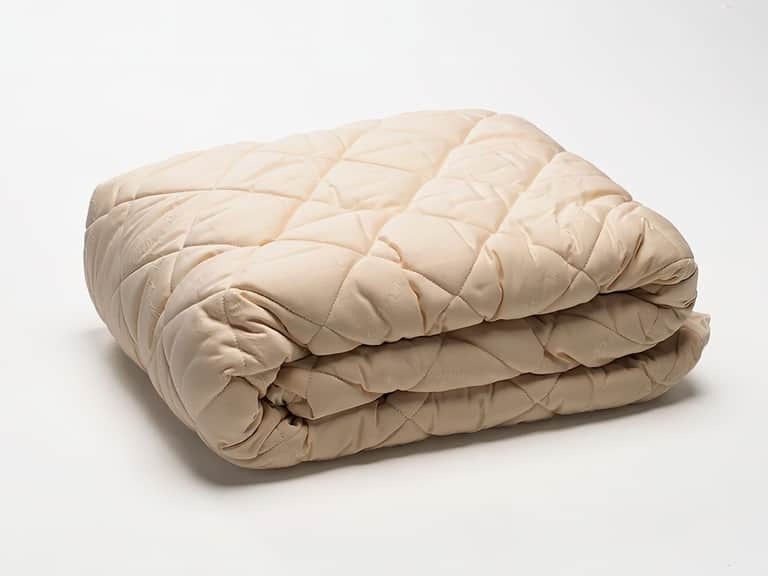
Construction deserves equal attention. Baffle or channel designs, quilting patterns, and edge finishing affect how securely the wool is held and how evenly warmth is distributed. If fill shifts, some areas may feel thinner than others. Well-considered construction is intended to maintain a consistent layer, though care and regular use also affect how bedding wears over time.
There is no single ideal cover or stitch pattern for everyone. People who prefer a crisp, light feel may favor different materials from those who want a cushioned, enveloping layer. If product details are limited, seek clarification from the manufacturer or retailer before deciding; a few questions about shell composition, fill amount, and care can prevent a mismatch.
Seasonal comfort is personal
The phrase “adapts to changing seasons” can suggest that a comforter adjusts itself as the weather changes. A more accurate interpretation is that wool’s combination of insulation and moisture-related properties may make it useful across a range of conditions. The comforter does not sense the season or actively cool a sleeper. Its performance depends on the surrounding environment and how the sleeper responds to it.
Bedroom temperature is only one influence. Humidity, ventilation, mattress materials, bedding layers, and sleeping habits all contribute. A person who runs warm may prefer a light comforter even in winter, while someone who feels cold easily may want extra insulation in spring. Two people sharing a bed can have different comfort zones despite sleeping in the same room.
Rather than trying to find a universal “perfect” comforter, consider the conditions you actually experience. Is the bedroom heated overnight? Does it become stuffy? Are there large temperature swings between seasons? Do you prefer a tucked-in, weighty layer or one that drapes lightly? Those practical questions are more informative than a broad claim that any material works for everyone.
Layering can add flexibility. A sheet or light blanket can be enough during mild weather, while additional layers can be introduced when temperatures fall. This approach may be especially useful in homes with unpredictable heating or in climates where spring and autumn change quickly. The goal is not to accumulate bedding indiscriminately, but to create a setup that can be adjusted without replacing the main comforter.
Care, cleaning, and long-term use
Care requirements should be part of the decision, not an afterthought. Wool bedding may have specific washing, drying, and storage instructions, and the cover and fill may not be treated identically. Some items may require professional cleaning or careful spot treatment; others may have removable covers. Always follow the instructions for the particular comforter, because assumptions based on the fiber alone can lead to shrinkage, damage, or changes in loft.
Regular airing can help bedding feel fresh, but airing is not a substitute for cleaning when a product needs it. Avoid prolonged exposure to damp conditions, and make sure a comforter is completely dry before storing it. If it is compressed for a long period, its loft may be affected, so storage guidance from the maker is worth consulting.
Using a washable cover or duvet cover can reduce direct contact with the comforter and make routine laundering simpler. This is particularly useful for bedding that has detailed care requirements. The cover itself should fit properly and should not bunch around the comforter, since uneven movement may make the bed less comfortable.
Before purchase, check whether the comforter can be machine washed, whether it must be dry-cleaned, and what drying method is recommended. Ask whether the care instructions apply to the whole item or only its cover. A product that suits a sleeper’s warmth preferences may still be inconvenient if its maintenance does not fit the household’s routine.
Questions to ask when considering Vispring
Brand names can help organize a search, but they do not replace product-level comparison. If you are considering Vispring wool comforters, use the same checklist you would for any bedding: identify the fill and its amount, examine the cover fabric, understand the construction, and confirm the intended care routine. These details help establish whether a particular model matches your needs instead of relying on the general appeal of wool.
- What is the fill weight? If it is not listed, ask for a specification or a clear indication of the warmth level.
- What is the outer fabric? Confirm its composition and consider whether its texture and breathability suit your preferences.
- How is the fill held in place? Look for information about quilting or other construction that may affect evenness and durability.
- What care is required? Verify washing, drying, airing, and storage instructions before committing.
- What does “all-season” mean for this model? Ask how the maker describes its warmth and whether it is intended for a particular room or climate.
- Can you return or exchange it? Bedding comfort is personal, so understand the policy and any hygiene-related limitations.
These questions are useful because comforter descriptions can emphasize benefits while leaving practical details unstated. A clear answer about materials and maintenance gives a more complete picture than a seasonal label alone. If a listing does not provide enough information to compare products, that uncertainty is itself worth factoring into the decision.
A practical way to choose
Start with the bedroom, not the product page. Note the temperatures you typically experience at night, whether the room is humid or dry, and how much bedding you already use. Then consider your own sleep preference: Do you wake up warm, cold, or comfortable? If you share the bed, include the other sleeper’s experience rather than relying on one person’s preferred setting.
Next, compare the construction details of the comforters under consideration. Look for fill amount, shell composition, stitching, dimensions, and care requirements. If warmth ratings are provided, treat them as a guide to the maker’s intended use, not as a standardized guarantee. Ask for clarification where key information is missing.
Finally, think through seasonal adjustments. A single comforter may be sufficient if your bedroom remains relatively stable and your warmth preferences are consistent. If conditions vary significantly, a lighter base layer plus a removable blanket may offer more control. The best arrangement is the one that keeps comfort manageable without making nightly adjustments a chore.
The bottom line
Wool comforters can be appealing across seasons because wool combines insulating structure with an ability to interact with moisture. But material alone does not determine whether a comforter feels cool, warm, light, or heavy. Fill weight, cover fabric, construction, care, room conditions, and personal preference all contribute.
When exploring Vispring wool comforters, focus on the specifications behind the seasonal language. Compare weight, shell materials, construction, and maintenance requirements, then relate them to the climate of your bedroom and your own sleep habits. A thoughtful choice is less about finding a comforter that promises to suit every night and more about choosing one whose qualities make sense for the conditions you actually live in.